Traditional Food
The food of Karpathos grew out of a largely self-sufficient mountain economy. It relies on grain, goat, cheese, honey and wild herbs rather than the fish traditionally associated with the island’s coastal villages. At its heart are makarounes, the hand-rolled pasta found throughout Karpathian cooking. But the island’s cuisine goes much deeper: soft and salty cheeses, slow-cooked goat, sweet local shrimp, seasonal greens and vegetables, and honey-soaked sweets often prepared in wood-fired ovens.
Here, sustainability is not a modern trend. It is a way of life shaped by the island’s landscape and passed down through generations.
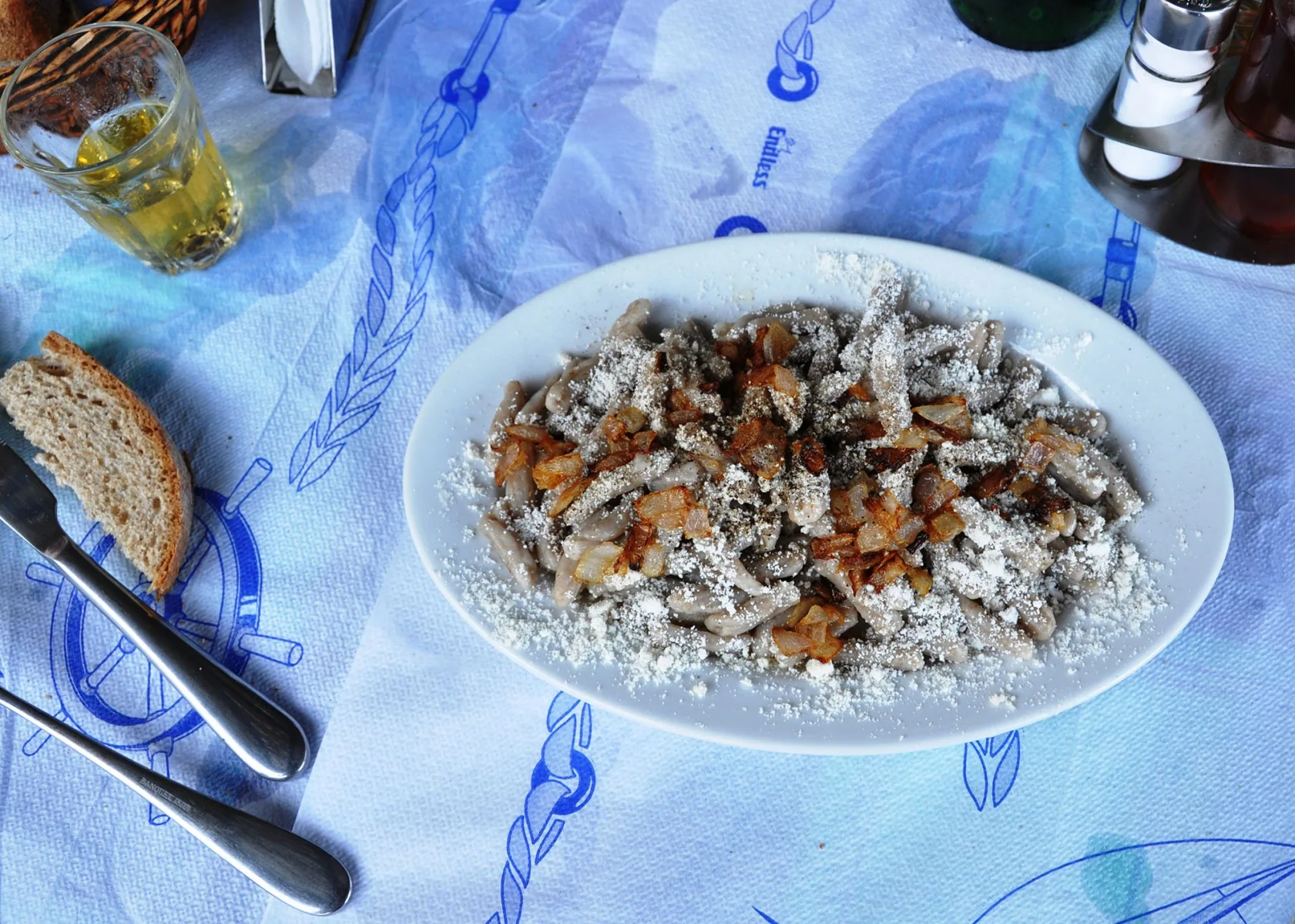
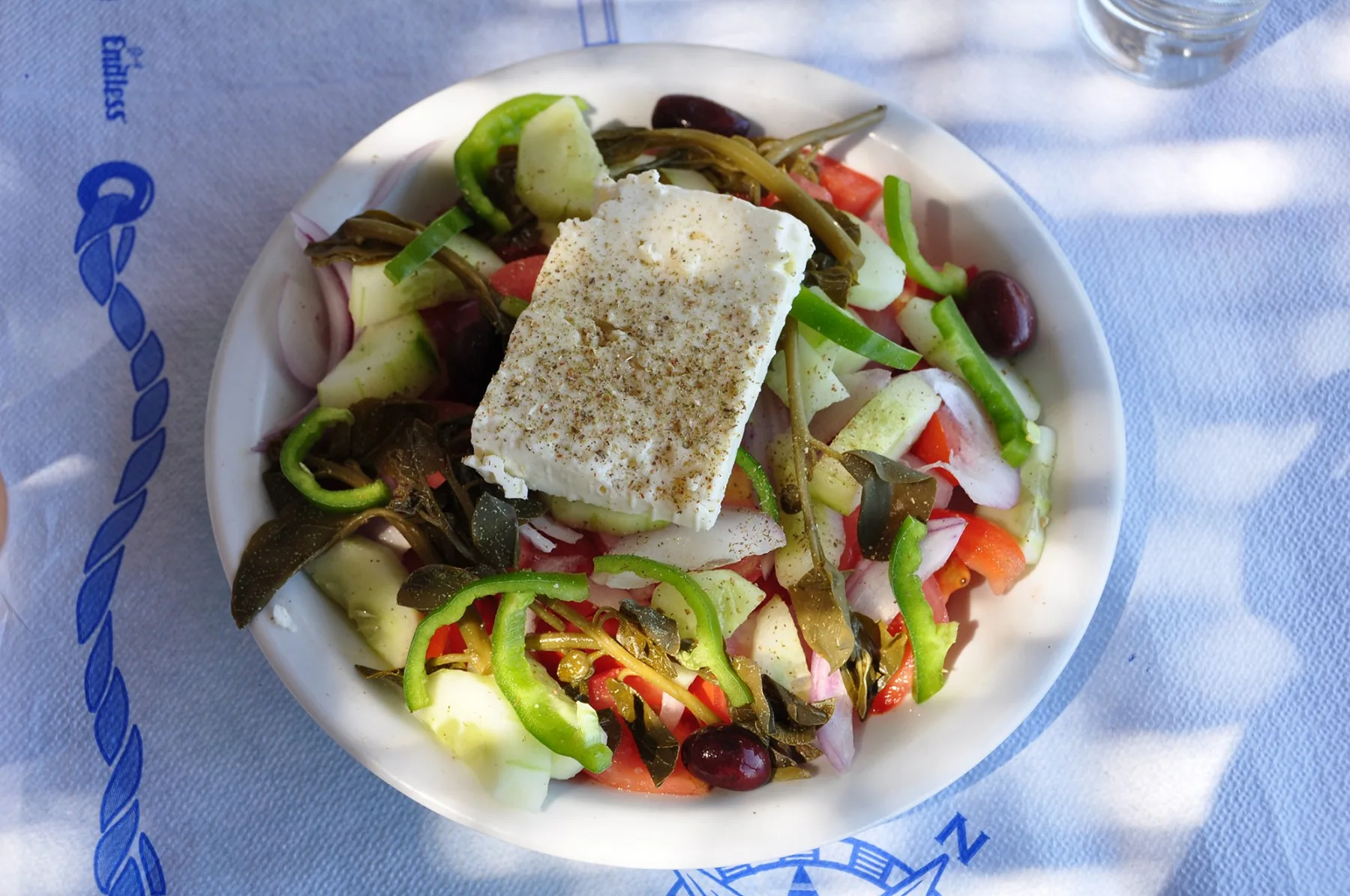
A taste of Karpathos:
‘Makarounes’ are made from a simple dough of flour and water, rolled by hand into short, slender twists. Each piece is shaped around a finger or fork, giving the pasta its distinctive curled texture. The technique is simple in its ingredients but requires patience and skill, and the tradition of making makarounes by hand continues in villages across the island.
‘Manouli’ is a soft, fresh goat cheese, while ‘armyro tyri’ is a firmer, saltier cheese. Both reflect the island’s long tradition of making the most of locally available milk.
‘Kopeles’, also known as ‘chortopites’, are traditional vegetable pies made with seasonal greens and vegetables. The filling changes with the time of year: spinach and leek are common in winter, while purple amaranth and zucchini appear in summer. The filling is wrapped in handmade pastry and traditionally baked in a wood-fired oven.
Goat is the island’s signature meat. Goats raised freely on the mountain slopes provide lean, flavorful meat that has long been central to Karpathian cooking. It may be slow cooked with rice, potatoes or wild greens, or roasted for festivals and family celebrations. Lamb is also enjoyed, while dishes combining meat with artichokes and other seasonal vegetables reflect the hearty, slow-cooked character of the island’s mountain cuisine.
Calamari is a popular local catch, often notably large, and is served grilled, stuffed or fried. Another local specialty is the Karpathian shrimp, small, sweet prawns known across the Dodecanese and traditionally eaten whole, including their tender shells. Alongside these are grilled fish of the day and octopus, traditionally dried in the island air before being grilled.
Honey runs through the island’s traditional sweets and is a cornerstone of Karpathian cuisine. Thyme and wildflower honey gathered from the mountain slopes is dense, aromatic and deeply connected to the island’s landscape. It is used to finish sweets, enjoyed with cheese and bread, and makes a wonderful local product to take home. Beekeeping has a long tradition on Karpathos, and the honey carries the distinctive character of the herbs and wildflowers on which the bees feed.
Local Traditions
Karpathos, a small but culturally rich island in the Dodecanese, is renowned for preserving its traditions with remarkable pride. Its remote location and strong sense of community have helped keep many customs alive, passed down from one generation to the next.
Village Life & Family Traditions
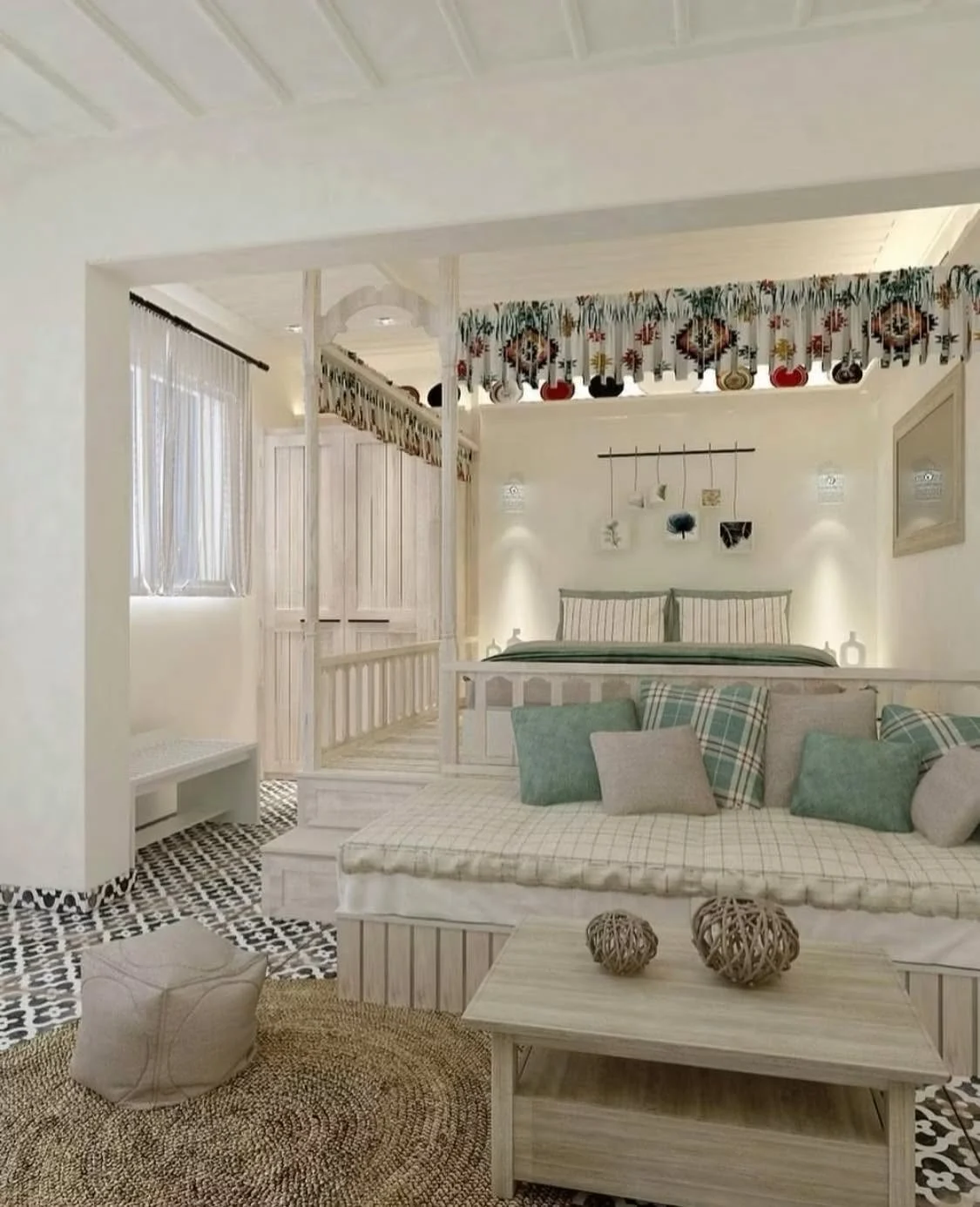
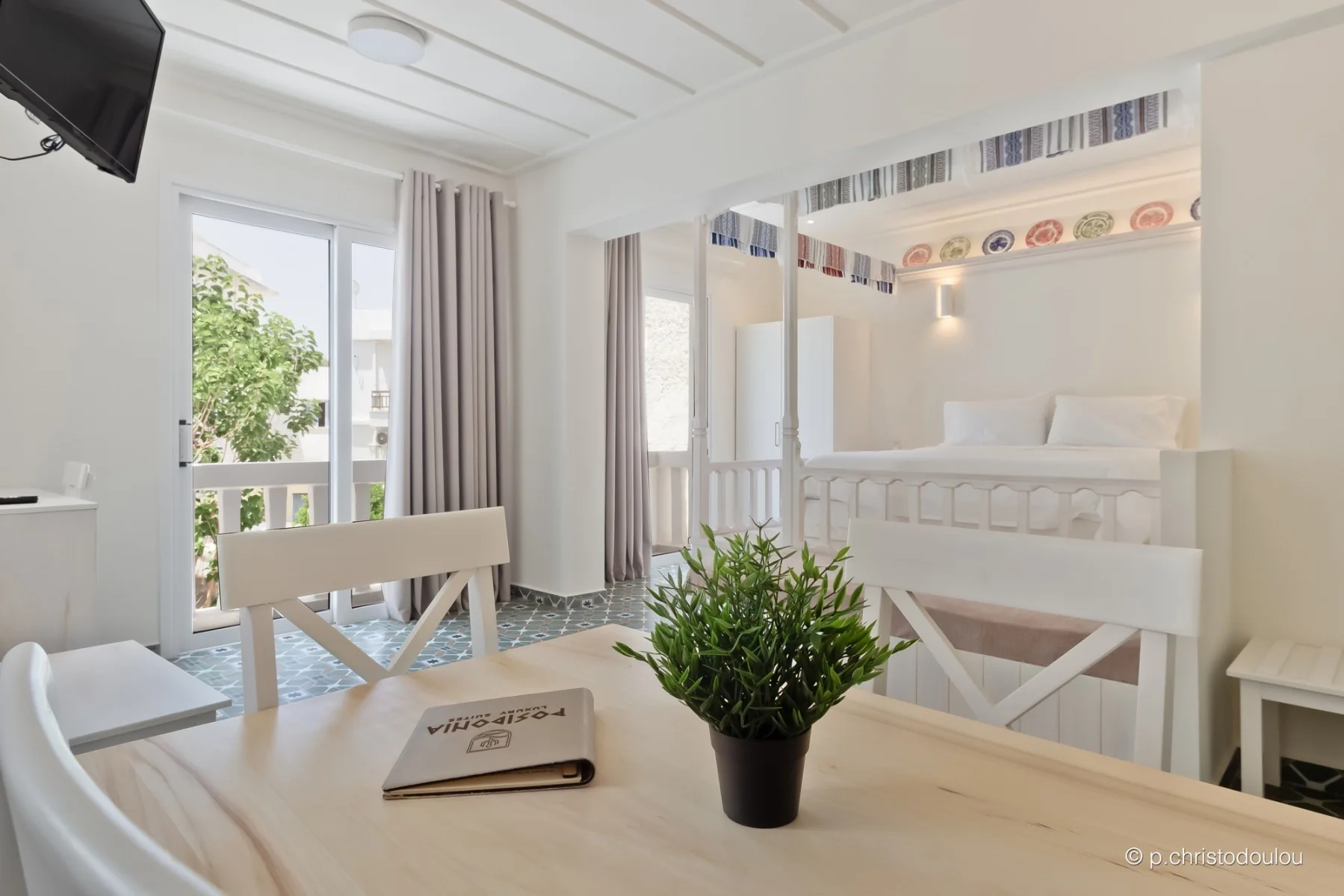
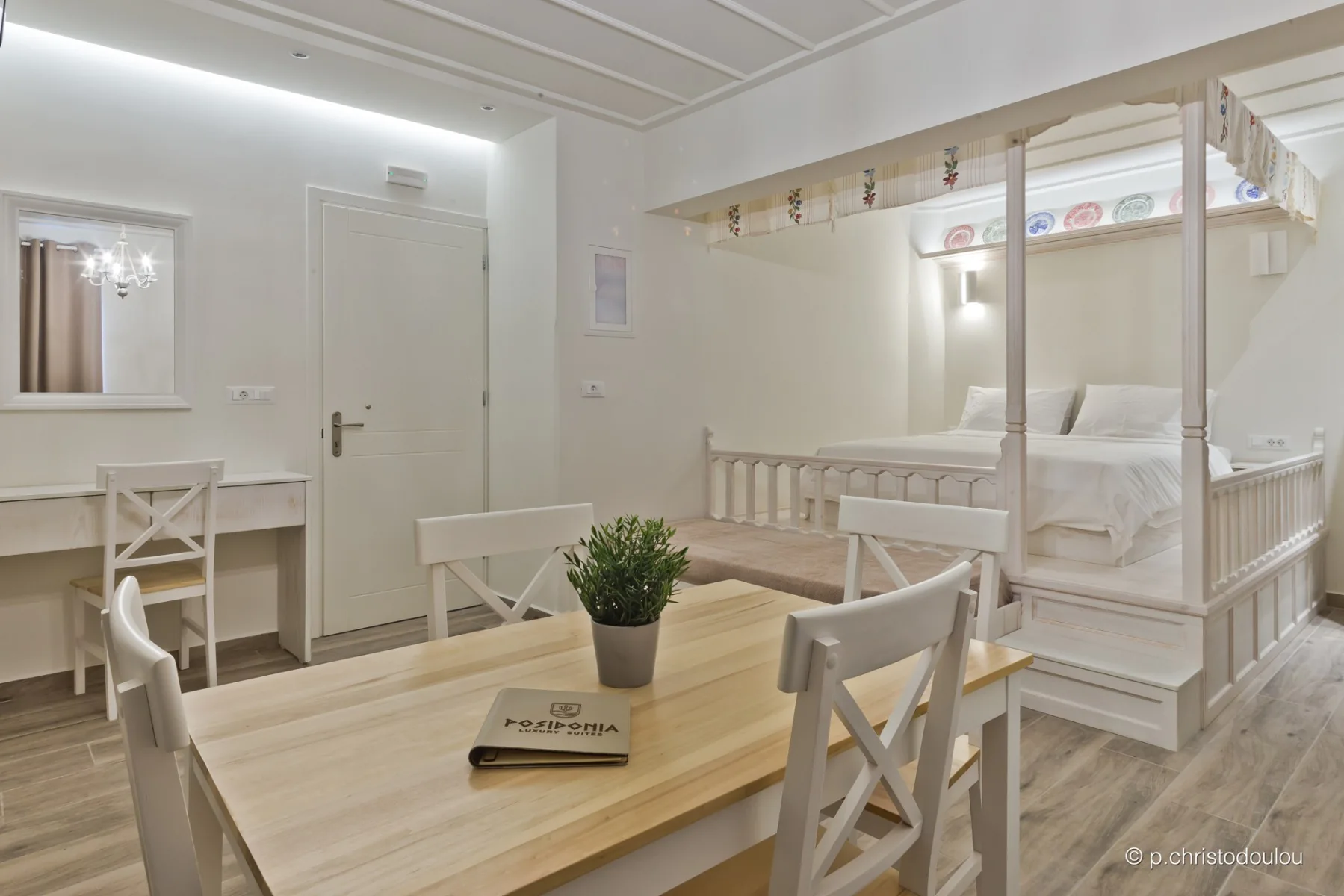
Life in the villages of Karpathos has always been deeply communal. The home remains at the heart of family and cultural life, while traditional embroidery and weaving continue to be an important part of the island’s heritage. Women have traditionally created intricate designs used to decorate the ‘soufa’, the raised traditional seating area found in many island homes, as well as household textiles and other objects.
Music, dance and poetry are equally important to island life. ‘Mantinades’, traditional improvised verses, are woven into social gatherings and celebrations, accompanied by instruments such as the tsambouna, lyra, lute and violin.
Festivals, baptisms, weddings and name days bring families and communities together around the ‘tabla’, the traditional communal table. Food is shared generously among guests, reflecting the Karpathian tradition of hospitality and the importance placed on community rather than private dining.
Festivals & Religious Celebrations
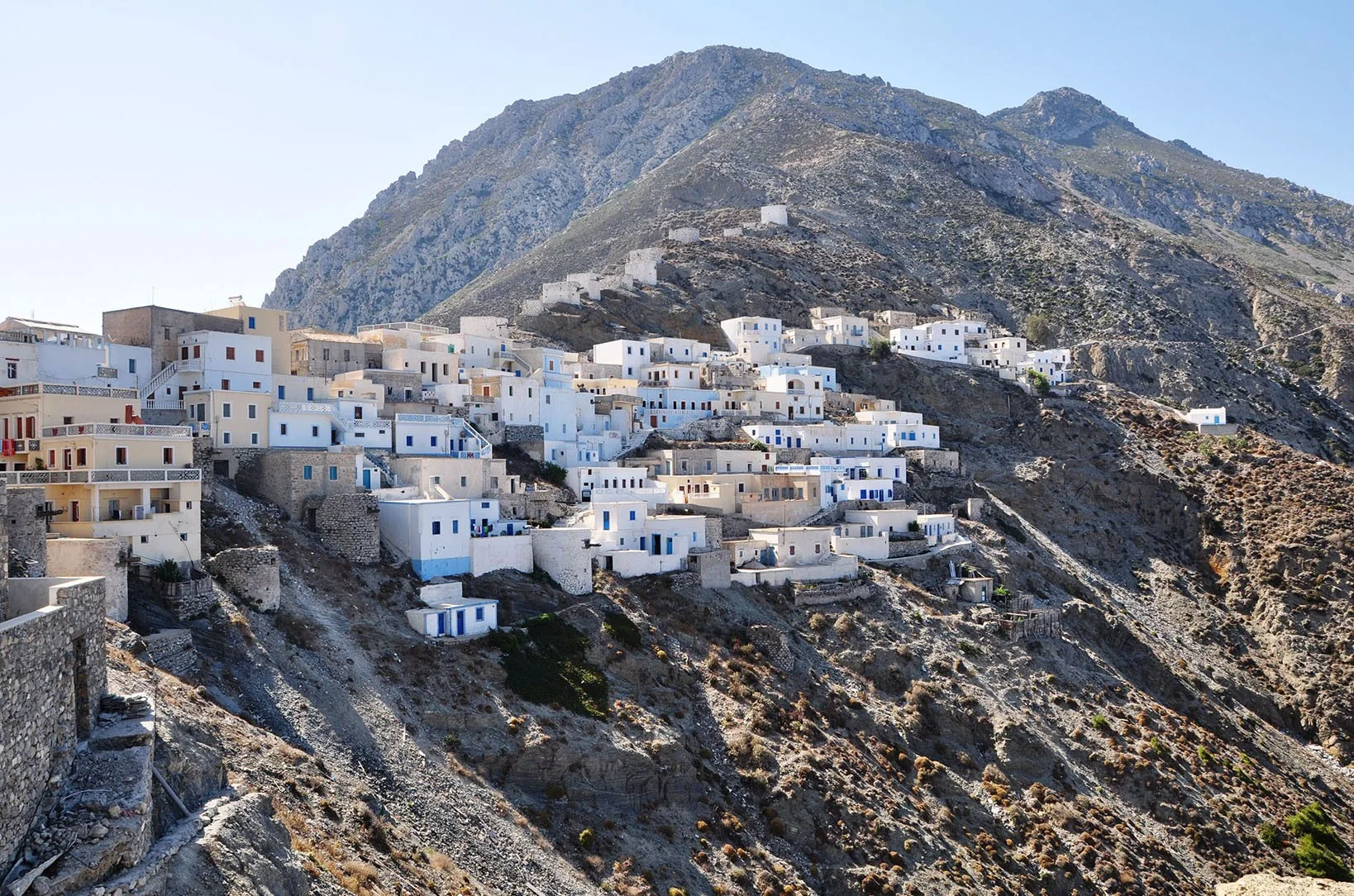
Religious and seasonal festivals remain an important part of life in Karpathos. The Dormition of the Virgin Mary on August 15 is among the island’s most important celebrations, with church services, communal feasts, traditional music and dancing in villages such as Olympos, Menetes and Aperi.
The Feast of St. John the Baptist on August 29 is celebrated in Vroukounta, Aperi and Spoa with traditional music, lyra players and dancing that can continue into the early hours.
The Wine Festival of Olympos, held in September, celebrates the local grape harvest with traditional music and dancing, along with wine and local food. Throughout the island, individual villages also honor their patron saints with religious processions, music, dancing and communal meals.
Traditional Dances & Costumes
Traditional dances remain an important expression of Karpathian identity. Dances such as ‘Pano Choros’, ‘Sousta’, ‘Siganos’ and ‘Kato Choros’ are performed during festivals and celebrations, often accompanied by traditional music and elaborate local costumes.
The traditions of Olympos are particularly distinctive. Women's traditional dress is richly embroidered and may be adorned with gold coins and other ornaments. The Kato Choros is a slow and solemn dance performed in front of the church, followed by more lively participation as the celebration continues.
Food Traditions
Food is inseparable from the island’s celebrations. Traditional dishes are prepared in large quantities for festivals and religious occasions and shared generously with those who attend. These gatherings often culminate in a large communal feast, reinforcing the importance of the shared table in Karpathian culture.
Handmade makarounes, goats cooked or roasted for special occasions, and local wine are among the foods associated with these celebrations. More than simply a meal, the communal table represents hospitality, generosity and the strong bonds that connect families and villages.
A Living Tradition
Karpathos offers visitors an opportunity to experience traditions that remain part of everyday island life. From the embroidery and weaving of its villages to its music, poetry, dances, religious celebrations and communal tables, these customs continue to connect generations.
To experience Karpathos during one of its major celebrations is to see the island at its most communal, where music fills the village squares, traditional food is shared freely, and generations come together around customs that remain an important part of island life.